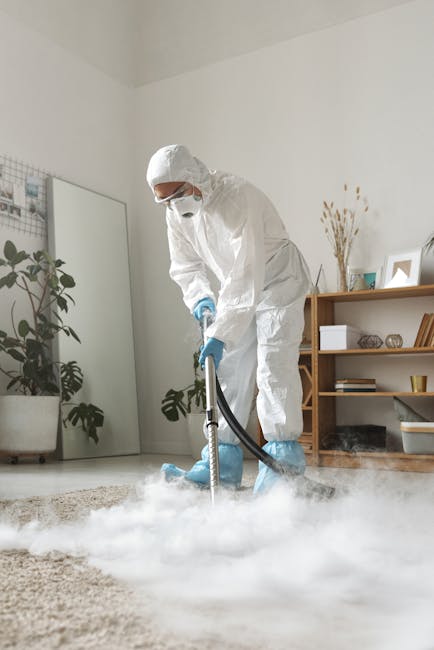
Chiswick House Carpet Cleaning Guide for Stain Free Rugs
If you live with rugs, you already know the pattern: one muddy shoe, one tipped mug, one "I'll deal with it later" moment, and suddenly a lovely floor piece looks tired. This Chiswick House carpet cleaning guide for stain free rugs is designed to help you keep rugs looking clean, fresh, and genuinely cared for without overcomplicating the process. Whether you are dealing with a wool hallway runner, a delicate flat weave, or a heavy family-room rug that gets everything from biscuit crumbs to pet paws, the right method makes all the difference. Done properly, rug care is less about brute force and more about timing, technique, and knowing what not to do.
In this guide, you will learn how stain free results are achieved, which cleaning methods suit different rug types, what mistakes can make a stain worse, and when it makes sense to bring in professional help. We will also cover sensible UK best practice, useful tools, and a practical checklist you can use straight away. Let's face it, nobody wants to spend Saturday morning scrubbing a patch that only spreads.
Table of Contents
- Why Chiswick House carpet cleaning guide for stain free rugs Matters
- How Chiswick House carpet cleaning guide for stain free rugs Works
- Key Benefits and Practical Advantages
- Who This Is For and When It Makes Sense
- Step-by-Step Guidance
- Expert Tips for Better Results
- Common Mistakes to Avoid
- Tools, Resources and Recommendations
- Law, Compliance, Standards, or Best Practice
- Options, Methods, or Comparison Table
- Case Study or Real-World Example
- Practical Checklist
- Conclusion
- Frequently Asked Questions
Why Chiswick House carpet cleaning guide for stain free rugs Matters
Rugs do more than sit there looking pretty. They absorb foot traffic, catch dust, soften noise, and take the hit from everyday life. In a home, that usually means spill risk. In a busy hallway, it can mean grit grinding into fibres. In a rental or shared property, it may mean one stain gets noticed far more than the rest of the room. That is why a practical Chiswick House carpet cleaning guide for stain free rugs matters: it helps you stay ahead of damage rather than chasing it after the fibres have already been marked.
The biggest issue with rugs is that stains often behave differently from one another. Tea, coffee, red wine, mud, grease, and pet accidents all respond to different treatments. A one-size-fits-all approach can leave a watermark, set the stain deeper, or flatten the pile. For example, heavy scrubbing can rough up natural fibres and make the affected spot stand out even more. It's a bit annoying, honestly, but very avoidable.
This is also about preserving value. A good rug can last for years if it is cleaned with care. A poor cleaning attempt can shorten that life quickly. If your rug is part of a wider domestic routine, it often fits alongside domestic cleaning or a broader deep-cleaning plan, especially when you want the whole home to feel fresher, not just one visible patch.
And yes, appearance matters. A clean rug changes how a room feels. It looks brighter in daylight, smells cleaner, and feels better underfoot. Small detail, big impact.
How Chiswick House carpet cleaning guide for stain free rugs Works
Stain-free rug care works by combining quick action, careful product choice, and the right level of moisture. The aim is not to saturate the rug; it is to lift the spill from the fibres before it bonds or spreads. In plain English: blot first, treat second, rinse lightly, dry thoroughly.
The process depends on fibre type. Wool, cotton, synthetic blends, silk-look rugs, and jute all behave differently. Wool can felt if treated too aggressively. Jute and sisal can distort if over-wet. Synthetics are often more forgiving, but they can still hold on to oily marks. That's why the cleaning method should match the rug, not just the stain.
A professional rug approach normally includes inspection, fibre identification, a test on a small hidden section, targeted pre-treatment, controlled extraction or washing, and careful drying. This is where specialist rug cleaning can be useful, especially if the rug is large, sentimental, or expensive enough that you would rather not take chances.
For rugs that sit on hard flooring, it also helps to check the surface underneath after cleaning. Trapped moisture can affect the floor below, particularly on timber or laminate. If your home has a mix of floor types, keeping up with hard floor cleaning alongside rug care keeps the whole area balanced.
There is a simple truth here: the faster the response, the better the result. A fresh spill is usually far easier to remove than one that has sat there through a weekend and a few warm cups of tea. Morning spill, same-day treatment - much better odds.
Key Benefits and Practical Advantages
Good rug cleaning is not just about removing a stain. It improves the daily feel of the room and reduces the chance of recurring problems. That matters whether the rug is in a family lounge, a landlord-managed flat, or an office reception where first impressions carry weight.
- Cleaner appearance: Colours look sharper, borders stay defined, and the rug stops drawing attention for the wrong reasons.
- Better indoor feel: Dust, trapped grit, and stale odours are reduced, so the room feels fresher.
- Longer rug life: Careful cleaning helps fibres keep their shape and texture for longer.
- Lower risk of permanent marks: Fast, appropriate treatment can stop stains from setting.
- Improved hygiene: This is especially relevant where children, pets, or high foot traffic are involved.
- Better room presentation: A clean rug can quietly lift the whole space. People notice, even if they don't say it aloud.
Another practical advantage is consistency. Once you have a reliable routine, rug care stops being a drama. You know what to do after a spill, what tools to keep handy, and when to leave a stain alone rather than making it worse. That last one sounds odd, but it saves a lot of hassle.
If your rug care forms part of a larger tidy-up after building work or an especially messy period, it may sit naturally alongside after builders cleaning or even a broader one-off cleaning visit. That is often the simplest way to reset a home without trying to do everything piecemeal.
Who This Is For and When It Makes Sense
This guide is for anyone who wants better-looking rugs without constant replacement costs or endless spot-treating. It is especially useful if you have:
- young children who seem to have an impressive talent for spills
- pets that bring in mud, grass, or the occasional mystery mark
- light-coloured rugs that show every tiny blemish
- wool, oriental-style, or delicate rugs that need careful handling
- busy hallways, lounges, and dining areas with daily wear
- rugs in a rental property that need to look presentable for inspections
It also makes sense if you are deciding between DIY spot cleaning and booking a professional service. For example, a fresh water-based stain on a synthetic rug may be manageable at home. A greasy mark on a natural fibre rug in the middle of a large room? That is a different story. Truth be told, some stains are better left to people with the right equipment and a steadier hand.
Commercial settings can also benefit, especially where presentation matters. A reception area rug is one of those quiet details that shapes the whole impression. In those cases, office cleaning can support rug maintenance as part of a broader care routine.
If you are dealing with a move-out clean, the timing becomes even more important. Stains that looked small a week ago can suddenly become the thing everyone notices. That is where this guide becomes more than helpful; it becomes a bit of a lifesaver.
Step-by-Step Guidance
Here is a simple, sensible method that works for most common rug stains. Keep it calm and measured. No panic, no aggressive scrubbing, no experimental chemistry set in the kitchen sink.
- Act quickly. Blot the spill with a clean white cloth or paper towel. Do not rub. Press gently and lift.
- Remove solids first. If there is mud, food, or debris, lift it carefully with a spoon or blunt edge before adding any liquid.
- Identify the rug fibre. Check the label if there is one. If not, treat the rug as delicate until you know more.
- Test in a hidden spot. Even mild products can affect dyes or texture. A quick test avoids nasty surprises.
- Apply a small amount of solution. Use a suitable rug-safe cleaner or a light cleaning solution, depending on the stain type.
- Blot again. Work from the outside of the stain inward so you do not spread it further.
- Rinse lightly if needed. A damp cloth can help remove residue, but avoid soaking the backing.
- Dry thoroughly. Pat with a towel, improve airflow, and keep foot traffic off the area until fully dry.
- Check the result. If a shadow remains, repeat gently rather than escalating to harsh chemicals.
For everyday fresh spots, this is often enough. For older or larger stains, you may need a more controlled wash or extraction method. That is where professional carpet cleaning can make a real difference, especially when the rug is part of a much bigger room setup.
A useful rule of thumb: if the stain is getting larger while you clean, stop. That usually means too much moisture, too much pressure, or the wrong product. Step back, let the area dry a little, and reassess. Small pause, better outcome.
Expert Tips for Better Results
Over the years, the best rug results usually come from restraint. People often think stronger products mean faster results, but that is not always true. In practice, controlled action wins.
- Use white cloths: Coloured towels can transfer dye. White cloths make it easier to see what is lifting.
- Blot, don't grind: Scrubbing can distort fibres and push the stain deeper.
- Work in stages: Several light passes are safer than one heavy pass.
- Ventilate the room: Fresh air speeds drying and helps prevent lingering smells.
- Lift the rug slightly if safe: Airflow underneath can help, but only if it will not damage the floor.
- Keep a stain kit ready: A cloth, mild cleaner, spoon, and gloves save time when a spill happens.
- Deal with smells as well as marks: Pet accidents can leave odour even when the visible stain has faded.
If the rug sits near a sofa or chairs, it is worth checking nearby fabric too. Spills often travel farther than expected. A matching mark on an armrest or cushion can be tackled at the same time with upholstery cleaning, which keeps the room looking coherent rather than half-fixed.
One more tip that sounds obvious until you forget it: always let the rug dry fully before putting furniture back. Damp fibres under a heavy leg can flatten badly. I've seen a beautiful pile get squashed by a chair leg overnight. Such a shame.
Common Mistakes to Avoid
Most rug damage during cleaning comes from well-meant but overconfident choices. The following mistakes show up a lot, and to be fair, nearly all of them start with impatience.
- Rubbing the stain: This spreads the mess and roughs up the pile.
- Using too much water: Excess moisture can stain the backing, cause shrinkage, or leave tide marks.
- Skipping a patch test: Even a safe-looking product can fade dyes or change texture.
- Applying random household chemicals: Bleach, strong sprays, and mixed products can create more harm than good.
- Ignoring the rug material: Wool and natural fibres are not the same as synthetic ones. They really are not.
- Drying with high heat too closely: This can distort fibres and set residue.
- Leaving old stains untreated for too long: The longer they sit, the more likely they are to bond.
There is also a quiet mistake that gets overlooked: cleaning only the visible stain while ignoring the surrounding area. Stains often leave a halo, and if you do not treat the edge, the mark can still be obvious. Cleaning should fade the whole patch, not just the centre.
For properties that have just had decorating or refurbishment work, grit and dust can lodge deep in fibres. In those cases, it is sensible to pair rug care with deep cleaning so residue does not settle back in as soon as the room is used again.
Tools, Resources and Recommendations
You do not need a cupboard full of specialist products to keep rugs clean. A simple, practical kit is usually enough for most households.
| Tool or item | Why it helps | Best use |
|---|---|---|
| White microfibre cloths | Lift moisture without spreading dye | Blotting spills and rinsing lightly |
| Soft-bristled brush | Helps loosen surface dirt gently | Dry dirt removal before treatment |
| Clean towel | Absorbs moisture efficiently | Final drying stage |
| Mild rug-safe cleaner | Targets stains without harsh chemicals | Spot treatment on suitable fibres |
| Spoon or blunt scraper | Removes solids without tearing fibres | Mud, food, and dried debris |
| Gloves | Protects skin from cleaning products | Any stain treatment task |
As a practical recommendation, keep products simple and labelled. If you need to read the bottle three times before using it, that's usually a hint to slow down. A clear routine is better than clever guesswork.
It can also help to schedule rug care around the rest of the home. If your weekly clean already covers dusting, vacuuming, and wipe-downs, adding rug inspection takes almost no extra time. For larger or less frequent jobs, a scheduled one-off cleaning visit can reset the space properly.
If you are comparing service providers, do not focus only on the price line. Check what is included, how they treat delicate fibres, whether they offer insured work, and how they handle drying. Those details matter more than a flashy headline price. A bit boring, perhaps, but very important.
Law, Compliance, Standards, or Best Practice
For most readers, rug cleaning is a practical home-care issue rather than a regulated activity. Still, it pays to follow sensible UK best practice, especially if you are using cleaning products around children, pets, or vulnerable people. Read product labels carefully, follow dilution instructions, and keep chemicals stored safely out of reach.
If you are working in a rented property, keeping interiors in a reasonable, clean condition can help avoid disputes at the end of a tenancy. That does not mean every mark must vanish instantly, but visible staining and avoidable damage can become awkward later. For that reason, many tenants and landlords treat rug care as part of broader end-of-tenancy cleaning.
Health and safety also matter. Wet rugs can be slippery, and damp underlay can hold moisture longer than expected. Good airflow, prompt drying, and keeping people off the area are simple precautions. If a rug is heavy, awkward, or attached to a larger floor area, do not force it into a DIY wash that could strain your back or damage the fabric.
From a service-provider point of view, it is sensible to look for clear information about insurance, customer care, and how cleaning is carried out. A business that explains its process openly tends to be a safer bet. You can usually learn a lot by reading the company's pages about insurance and safety and its health and safety policy.
Options, Methods, or Comparison Table
Different rug issues call for different methods. The right choice depends on fibre type, stain age, and how much risk you are willing to take on yourself. Here is a straightforward comparison.
| Method | Best for | Advantages | Limitations |
|---|---|---|---|
| Immediate blotting and spot treatment | Fresh spills on most rugs | Fast, low cost, low disruption | Not enough for set-in or deep stains |
| Gentle hand washing | Smaller rugs and washable fibres | More control over moisture | Can still cause shrinkage if overdone |
| Vacuum-assisted maintenance | Routine dust and grit removal | Keeps rug fresher for longer | Does not remove stain marks on its own |
| Professional rug cleaning | Delicate, valuable, or heavily soiled rugs | Better stain control and fibre care | Requires booking and short drying time |
There is no perfect method for every rug. A hallway runner that sees muddy boots all week will need a different plan from a decorative living-room rug that only sees slippers and the odd coffee splash. That sounds obvious, but it is where people go wrong: they assume all rugs want the same treatment. They don't.
For some homes, especially where the rug is part of a wider refresh, carpet cleaning and rug care can be scheduled together. That usually saves time and gives the room a more even finish.
Case Study or Real-World Example
A typical real-world scenario goes like this. A family in a busy home had a pale wool rug in the lounge, and one rainy afternoon a child came in with damp shoes and a mug of hot chocolate. The spill was small, but the mark was obvious against the light pile. At first glance it looked worse than it was, which is usually how these things go.
They blotted the spill straight away with a white cloth, lifted any visible residue with a spoon, and avoided scrubbing. That stopped the liquid from spreading. A light, fibre-safe treatment removed most of the stain, but a faint edge remained because the spill had started to dry into the fibres. The rug was then treated more carefully, with attention to the halo around the original spot rather than only the centre. The result was good - not magic, just careful work.
The useful bit here is not that the rug was perfect instantly. It wasn't. The useful bit is that a quick response prevented a permanent, obvious mark. If they had waited until the next day and used a stronger cleaner, the stain would likely have been more stubborn, maybe even set deeper. Sometimes doing less, but doing it sooner, is what saves the day.
That same principle applies across many cleaning situations. A rug in a home near renovation dust, for instance, often benefits from pairing spot care with after builders cleaning so grit does not work its way back into the fibres.
Practical Checklist
Use this before and during any rug stain treatment. It keeps you focused when the stain is tempting you to panic.
- Identify the stain type if you can
- Check the rug material or label
- Test the cleaner in a hidden spot
- Blot the spill, do not rub
- Use only a small amount of solution at a time
- Work from the outside of the stain inward
- Rinse lightly if required
- Dry thoroughly with airflow
- Keep furniture off the rug until fully dry
- Repeat gently rather than aggressively
- Book professional help if the stain spreads or remains visible
If your rug has a persistent odour, a frayed edge, or an old mark that keeps returning after cleaning, stop and reassess. That is often a sign of residue sitting deeper in the pile or backing. In those cases, it may be wiser to arrange specialist support than keep experimenting at home. A quick check of pricing and quotes can help you weigh the options without guessing.
And yes, if your rug is one of those pieces you genuinely like looking at every day, it is worth protecting properly. No drama. Just care.
Conclusion
A stain-free rug is rarely the result of luck. More often, it comes from quick action, the right method, and a bit of calm judgement. This Chiswick House carpet cleaning guide for stain free rugs has shown that the most effective approach is usually the simplest one: act early, keep moisture under control, match the method to the fibre, and avoid the mistakes that cause extra damage.
For everyday spills, a careful at-home routine can work very well. For delicate, valuable, or deeply marked rugs, professional help is often the smarter choice. Either way, the goal is the same: keep the rug looking like part of the room, not the thing everyone notices first. That is achievable, honestly, and it does not need to be stressful.
If you want to compare service options or plan a wider refresh, take a look at the relevant pages on the site and choose the route that fits your home, your schedule, and the fabric in front of you. A little care now saves a lot of bother later.
Get a free quote today and see how much you can save.
Frequently Asked Questions
What is the best first step when a rug gets stained?
Blot the area immediately with a clean white cloth or paper towel. Do not rub. Rubbing pushes the stain deeper and can damage the fibres. If there is solid material, lift it gently first.
Can I use regular carpet cleaner on a rug?
Sometimes, but not always. Rugs can be more delicate than fitted carpets, especially if they are wool, silk-like, jute, or handwoven. Always check the fibre type and patch test before using any cleaner.
How do I clean a rug without leaving water marks?
Use only a small amount of moisture, blot carefully, and dry the area thoroughly with airflow. Water marks often appear when too much liquid is used or when drying is uneven.
Are home remedies safe for stain removal?
Some mild home methods can work for fresh stains, but strong or mixed household chemicals are risky. If you are unsure, keep it simple and test first. A cautious approach is usually safer than a clever one.
How often should rugs be professionally cleaned?
That depends on traffic, fibre type, and whether you have pets or children. High-use rugs usually need more frequent care than decorative pieces. If a rug starts looking dull, holding odour, or showing repeat marks, it may be time.
What stains are hardest to remove from rugs?
Grease, red wine, pet accidents, and older set-in spills are often the most stubborn. Mud is usually manageable if it is left to dry first and then removed carefully, but it can still spread if cleaned too aggressively.
Is steam cleaning suitable for all rugs?
No. Some rugs tolerate heat and moisture better than others, but delicate natural fibres can be damaged by excess water or heat. The method should match the rug, not the other way round.
Can rug cleaning help with odours as well as stains?
Yes, often it can. Odours commonly come from residue, spills, or trapped dirt rather than the visible mark itself. If the smell stays after spot cleaning, a deeper clean may be needed.
What should I do if the stain comes back after drying?
That usually means residue has migrated back to the surface as the rug dried. It is best to re-treat the area gently rather than soaking it again. Persistent returns may need professional attention.
Is it worth cleaning a rug before moving out of a property?
Usually yes, especially if the rug is visible and has any marks or odours. Clean rugs help the whole room present better and can reduce avoidable end-of-tenancy issues. It is one of those things that can quietly save a lot of stress.
How can I prevent stains in the first place?
Use rug pads where suitable, remove shoes indoors if possible, act quickly on spills, and vacuum regularly to keep grit from embedding in the pile. A little prevention goes a long way.