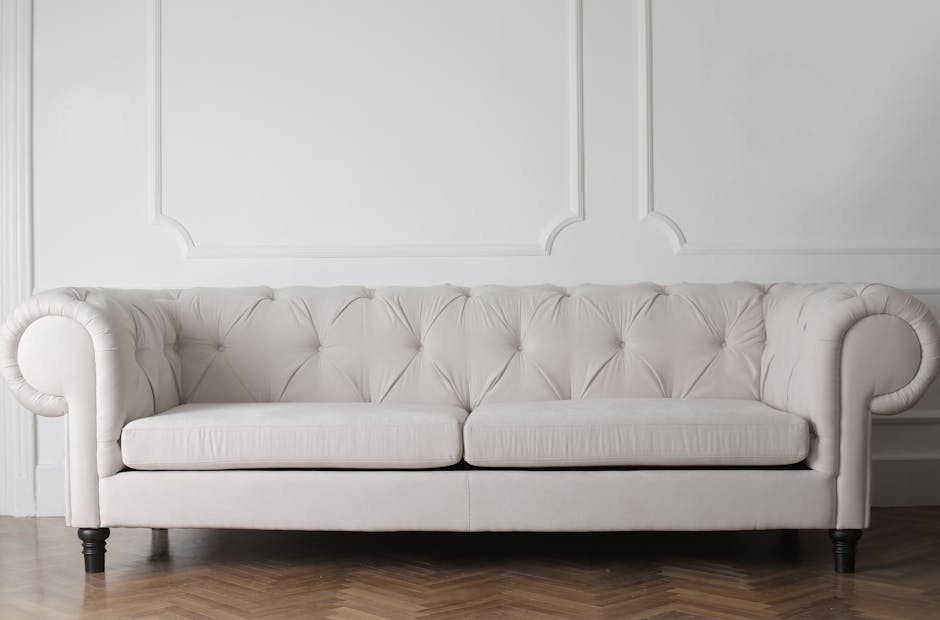
Same day upholstery cleaning near Turnham Green station: fast, careful help when you need it most
If you need same day upholstery cleaning near Turnham Green station, you are usually not planning ahead for fun. Something has spilled, a sofa has picked up a smell, or you have guests arriving before the day is out. In those moments, speed matters, but so does doing the job properly. A rushed clean that leaves fabric damp, sticky, or marked is the last thing anyone wants.
This guide breaks down how same-day upholstery cleaning actually works, what it can and cannot fix, and how to choose a service that is quick without being careless. You will also find practical tips on drying, stain treatment, and avoiding the little mistakes that turn a manageable issue into a headache. To be fair, upholstery is one of those things people only think about when it goes wrong.
For wider home care, some readers also look at domestic cleaning services, deep cleaning, or even one-off cleaning when the whole place needs a reset, not just the sofa.
Why Same day upholstery cleaning near Turnham Green station Matters
Upholstery is unlike a hard floor. A mark on a chair arm or a wine splash on a sofa does not sit on the surface in a neat little puddle. It starts moving into the fibres, the padding, and sometimes the backing fabric. The longer it sits, the more likely it is to set, spread, or create a smell that lingers. That is why same-day response is so useful near Turnham Green station, especially for busy homes, rentals, and small offices around Chiswick.
There is also the simple reality of daily life. A hallway sofa in a flat near the station may be used by kids, visitors, and wet coats all week. A cafe banquette or office reception chair may need to look presentable again by tomorrow morning. Same-day service can keep a small issue from becoming a visible embarrassment. And yes, sometimes it is about the sofa looking nice again. Sometimes it is about not having the whole room smell faintly of yesterday's takeaway by dinner time.
Rapid upholstery cleaning also matters because fabric care is a bit of a balancing act. Use too much water and you risk over-wetting. Use the wrong product and you can leave a ring, fade a dye, or flatten the pile. Fast, careful intervention is often better than waiting and trying to scrub it out yourself with a kitchen towel and optimism. We have all seen how that ends.
If the upholstery issue is part of a bigger clean-up after decorating, repairs, or a busy move, it may be worth looking at after builders cleaning or end of tenancy cleaning as well. Different problem, same need for speed and care.
Expert summary: Same-day upholstery cleaning is most valuable when the stain is fresh, the fabric is salvageable, and you need a quick turnaround without sacrificing proper drying or fabric safety.
How Same day upholstery cleaning near Turnham Green station Works
In practical terms, same-day upholstery cleaning is a fast-tracked version of a standard upholstery visit. The difference is that the cleaner has to assess, treat, clean, and dry within a tighter window. That usually means faster booking, quicker arrival, and a more focused clean based on the problem area rather than a long, all-day process.
The first step is usually a short assessment. A good cleaner will identify the fabric type, check for care labels if visible, and ask what caused the mark or smell. Coffee, red wine, pet accidents, ink, grease, makeup, and general soiling all behave differently. Some need pre-treatment. Others need very gentle extraction. If a provider does not ask questions, that is a small warning sign.
Next comes spot testing. This is the unglamorous but essential bit. A small hidden area is treated first to check for colour fastness and fibre reaction. On delicate fabrics, that test can save a lot of trouble. After that, the cleaner may vacuum loose debris, apply a suitable pre-spray or stain solution, and use hot water extraction, low-moisture cleaning, or targeted hand cleaning depending on the fabric and condition.
Drying matters just as much as the cleaning itself. Same-day jobs often use faster-drying methods, controlled product use, and airflow guidance so the furniture is usable again as soon as possible. It is not magic, though. Thick cushions, natural fibres, and heavily soiled items may still need a sensible drying window. Truth be told, anyone promising instant bone-dry upholstery on every single fabric is probably overselling it.
For fabrics that also need broader refreshment, it can help to combine the upholstery visit with carpet cleaning or rug cleaning so the room feels consistent rather than half-done.
Key Benefits and Practical Advantages
The headline benefit is obvious: speed. But same-day upholstery cleaning offers a few less obvious advantages too.
- Fresh stains are easier to treat. Coffee, juice, food marks, and many spills respond better when they are still recent.
- Odours are less likely to settle. That matters for pet accidents, dampness, and food-based smells.
- Less disruption. You can often keep living or working around the furniture with less downtime than a full replacement or long drying process.
- Better presentation. Handy for letting agents, landlords, guests, and office visitors.
- Fabric life is better protected. Prompt, appropriate cleaning is usually kinder than repeated DIY scrubbing.
There is also a psychological benefit that gets overlooked. A stained sofa in a small living room can make the whole place feel untidy, even if everything else is fine. Fixing that one visual problem often changes how the whole room feels. Sounds dramatic, but it is true enough.
For people comparing wider service options, office cleaning may be relevant if the upholstery is in a reception, meeting room, or shared workspace, while upholstery cleaning remains the core service page for fabric furniture care.
Who This Is For and When It Makes Sense
Same-day upholstery cleaning is not just for emergencies, although that is often how people find it. It makes sense for a few clear situations.
Homes and flats near the station
If you live close to Turnham Green station and have a sofa, armchair, dining chair, or headboard that has taken a hit, same-day service is useful when you want the room back quickly. Families, tenants, pet owners, and anyone hosting friends or relatives tend to value the speed most.
Landlords and tenants
Quick cleaning can be a real help before check-out inspections, after accidental spillages, or between tenancies. It is not a guaranteed fix for severe damage, of course, but it can improve presentation significantly when the fabric is still in reasonable condition.
Small offices and visitor spaces
Reception chairs, waiting room sofas, and meeting room seating can make a very strong first impression. If there is a spill before an important day, same-day upholstery cleaning can keep things presentable without closing the room for long.
Households dealing with accidents
Children's drinks, pet accidents, makeup smears, and surprise food incidents happen. That is just life. Fast action helps reduce staining and odour, and it often prevents people from making the stain worse by rubbing it in harder. A lot harder, if we are honest.
For readers dealing with a general refresh rather than a single mark, one-off cleaning can sometimes be the better fit. For more routine upkeep, domestic cleaning may be the broader solution.
Step-by-Step Guidance
If you are booking fast upholstery cleaning for the first time, this is the usual flow.
- Identify the issue clearly. Say what happened, when it happened, and what fabric the item appears to be. A red wine spill on velvet is not the same as a water mark on synthetic fabric.
- Take a quick photo. This helps show the size, severity, and location of the mark before anyone arrives. It is especially useful for awkward stains or insurance-related situations.
- Move fragile items away. Lamps, books, throws, and cushions can slow the job down if they are in the way. A tidy working area helps the cleaner start quickly.
- Ask about the cleaning method. Wet extraction, low-moisture cleaning, and hand treatment all have different drying times and suitability. The right method depends on the furniture, not on a one-size-fits-all promise.
- Confirm access and timing. If you are near the station and parking or entry is tricky, mention it early. A ten-minute delay can matter when the booking is same-day.
- Keep the room ventilated. Open a window if practical, and avoid using the furniture until the cleaner gives the go-ahead.
- Follow aftercare advice. Blotting, keeping pets off, and avoiding extra water can make a big difference once the clean is done.
Small note, but an important one: do not start trialling random household cleaners before the visit. Sometimes people think they are helping, then accidentally spread the stain or bleach the fabric edge. Not ideal. Not ideal at all.
Expert Tips for Better Results
The best results usually come from simple, sensible choices rather than dramatic efforts. Here is what tends to help most.
- Act quickly, but do not panic. Blot gently with a clean absorbent cloth if the spill is fresh. No hard rubbing.
- Keep the stain information simple and honest. If you used a product already, say so. It matters for the treatment plan.
- Choose the clean based on fabric type. Velvet, linen, wool blends, leather-look materials, and synthetics all need different handling.
- Use airflow after cleaning. A window and a bit of ventilation can help more than people expect, especially on a damp London day.
- Ask about protection options. Fabric protection may be suitable after cleaning in some cases, but it should never be pushed as a cure-all.
One useful habit is to keep a note of the manufacturer's care code if you still have the label or product paperwork. It is not always available, but when it is, it can save time. And yes, it feels surprisingly satisfying to have the right information to hand for once.
If you are refreshing more than furniture, it can make sense to pair the job with hard floor cleaning so the room does not end up with one immaculate corner and one tired one.
Common Mistakes to Avoid
Most upholstery damage during DIY cleaning comes from the same few mistakes. Avoid these and you are already ahead.
- Scrubbing the stain hard. This pushes material deeper into the fibres and can roughen the fabric.
- Using too much water. Over-wetting leads to long drying times, water marks, and in some cases odour.
- Trying unknown products on delicate fabric. A strong spray that works on a kitchen chair may damage a living room sofa.
- Ignoring the fabric type. If you treat velvet like polyester, the result can be patchy or flattened.
- Expecting every stain to vanish completely. Some dyes, old marks, and heat-set stains are stubborn. A good cleaner should explain that plainly.
- Not checking drying time. Putting cushions back too soon can trap moisture and spoil the finish.
There is a simple rule here: if you are unsure, stop. Then ask. That is usually the safest move with upholstery. A quick mistake can become a permanent one, which is annoying in a very specific, very British way.
Tools, Resources and Recommendations
You do not need a cupboard full of gadgets to manage upholstery well, but a few basics help.
| Tool or resource | What it helps with | When to use it |
|---|---|---|
| Microfibre cloths | Gentle blotting and surface drying | Right after a fresh spill |
| Soft-bristle upholstery brush | Lifting fibres lightly before cleaning | For dry debris and some pre-treatment work |
| Vacuum with upholstery attachment | Removing dust, crumbs, and loose grit | Before any wet treatment |
| Clean white towels | Spot testing and blotting without colour transfer | During emergency spill care |
| Fabric care label or product manual | Shows cleaning suitability and care guidance | Before booking or treating the item |
For a more complete refresh, some customers also compare oven cleaning or window cleaning if they are trying to get the whole property looking guest-ready. Different jobs, same goal: less hassle, better finish.
When comparing providers, it is sensible to look at pricing and quotes, and also at practical details such as access, drying times, and whether the service includes stain pre-treatment or fabric testing.
Law, Compliance, Standards, or Best Practice
For upholstery cleaning, the main compliance concerns are usually safety, insurance, and sensible handling rather than anything highly technical. A professional cleaner should work in line with common UK expectations around safe chemical use, risk awareness, and respect for property. They should also be careful around electrics, delicate materials, and any environment where residents, children, or pets may be present.
It is reasonable to ask whether the business is insured and how it approaches safety. That matters for both homes and commercial sites. It is also reasonable to ask what happens if a fabric is fragile or if the stain might worsen with wet cleaning. Good practice means being transparent about limitations, not pretending every item can be restored to factory-new condition.
On the customer side, best practice is simple: disclose known issues, make access safe, and follow aftercare advice. If a cleaner suggests a method that seems risky for your fabric, ask them to explain why it is suitable. A calm conversation usually tells you plenty.
For those who want a little extra reassurance before booking, reviewing a provider's insurance and safety information and health and safety policy can be a sensible step. It is not glamorous reading, granted, but it is practical.
Options, Methods, or Comparison Table
Different upholstery situations call for different approaches. Here is a simple comparison of common methods.
| Method | Best for | Strengths | Watch-outs |
|---|---|---|---|
| Hot water extraction | General soiling, many synthetic fabrics, tougher marks | Deep cleaning, strong soil removal | Longer drying time, not ideal for all delicate materials |
| Low-moisture cleaning | Quick turnaround, lighter contamination, busy homes or offices | Faster drying, less disruption | May be less effective on deeply embedded grime |
| Targeted hand cleaning | Small stains, delicate sections, edges and trims | Very controlled, fabric-friendly | May not be enough for larger or older marks |
| Odour-focused treatment | Pet accidents, musty smells, food odours | Helps restore freshness | Odour cause must be treated properly, not just masked |
The best cleaners do not push one method for everything. They choose the least aggressive method that still solves the problem. That is usually the sweet spot.
Case Study or Real-World Example
Imagine a family living a short walk from Turnham Green station. A cup of tea goes over the arm of a three-seater sofa in the early afternoon. Not ideal, but not catastrophic either. They blot the spill, keep the area dry, and call for same-day help rather than trying three different sprays and a prayer.
When the cleaner arrives, they check the fabric, test a discreet patch, and treat the spill with a suitable method for the material. The visible mark is reduced, the smell is gone, and the cushions dry faster because the cleaning was controlled rather than soaked. By the evening, the room is back to normal. Not perfect showroom fantasy normal, just clean, usable, comfortable normal. Which, frankly, is what most people really want.
That same pattern applies to office seating too. A reception chair, a waiting room sofa, or a meeting room bench can often be saved from embarrassment with quick treatment. For mixed properties, coordinating upholstery care with office cleaning or a broader deep cleaning visit can make the result feel much more complete.
Practical Checklist
Use this before and after the appointment.
- Identify the stain or smell as clearly as possible.
- Check whether the item has a care label or manufacturer guidance.
- Take a photo before any cleaning starts.
- Remove loose items from the sofa or chair area.
- Tell the cleaner about any DIY products already used.
- Confirm the expected drying time.
- Ventilate the room if it is safe and practical to do so.
- Avoid sitting on the item until fully dry.
- Keep pets and children off the furniture during drying.
- Ask for aftercare guidance if the fabric is delicate.
Quick takeaway: speed helps, but the best same-day results come from fast action plus the right cleaning method, not from aggressive scrubbing or guesswork.
Get a free quote today and see how much you can save.
Conclusion
Same-day upholstery cleaning near Turnham Green station is really about restoring calm quickly. A fresh spill, a stubborn odour, or a tired-looking sofa does not need to take over your whole day. With the right approach, many upholstery problems can be reduced quickly and safely, without unnecessary disruption.
The main thing is to act early, be honest about the fabric and the stain, and choose a method that suits the item rather than the clock. That combination gives you the best chance of a good result. And if you are dealing with more than one issue in the property, combining services can save time and reduce the overall fuss.
Sometimes a clean room is just a nicer place to breathe for a moment. That matters more than people admit.
Frequently Asked Questions
How quickly can same day upholstery cleaning near Turnham Green station usually be arranged?
It depends on availability, the size of the job, and access, but same-day appointments are often most realistic for smaller to medium-sized upholstery tasks booked early in the day.
Is same day upholstery cleaning safe for delicate fabrics?
It can be, provided the cleaner identifies the fabric correctly, tests a hidden area, and uses the right method. Delicate materials need a lighter touch and clear communication.
Will a same day clean remove every stain?
Not always. Fresh spills respond best, while old, heat-set, or dye-based stains may only be improved rather than removed completely. A trustworthy cleaner should explain that clearly.
How long does upholstery take to dry after cleaning?
Drying time varies by fabric, cleaning method, cushion thickness, and ventilation. Low-moisture methods usually dry faster, while deeper wet cleaning can take longer.
Can I sit on the sofa the same day?
Sometimes yes, but only if the cleaner says it is ready. Sitting on damp fabric too soon can cause re-soiling, flatten fibres, or leave marks.
What should I do before the cleaner arrives?
Blot fresh spills gently, avoid scrubbing, move loose items away, and share any product use or fabric concerns. A few minutes of preparation can really help.
Is same day upholstery cleaning suitable for pet accidents?
Yes, often very suitable, especially if the area is treated quickly. Odour removal depends on how far the liquid has penetrated and the condition of the fabric and cushion.
Does same day cleaning cost more than standard booking?
It may do, depending on urgency, timing, and the size of the job. For that reason, asking for a clear quote in advance is sensible.
Should I choose upholstery cleaning or a broader deep clean?
If the issue is limited to furniture, upholstery cleaning is the better fit. If the room itself needs a full refresh, a broader deep cleaning approach may be more practical.
What if my sofa has been cleaned before and still looks patchy?
Patchiness can come from old wear, previous cleaning residue, or uneven pile direction. A good cleaner should assess whether a further clean will help or whether the fabric has reached its limit.
Can upholstery cleaning help with general room freshness too?
Yes, because upholstery often holds dust, odour, and everyday soil that make a room feel less fresh. Many people also pair the job with carpet cleaning or window cleaning for a more complete reset.
How do I know if a cleaner is the right fit for urgent work?
Look for clear answers, sensible questions about the fabric, straightforward explanations of the method, and a practical attitude about drying and aftercare. If they sound vague, keep looking.
If you are ready to sort the problem properly, a quick, careful clean is usually better than letting the mark sit there and quietly annoy you every time you walk past it. And that, really, is enough reason to act today.